Best Cordless Impact Driver: 6 Picks for DIY and Pro Use in 2026
In the world of power tools, few instruments have revolutionized fastening tasks quite like the cordless impact driver. Once a niche tool for professionals, its unparalleled efficiency, compact size, and sheer driving power have made it an indispensable staple in every serious DIYer’s and tradesperson’s arsenal. Whether you’re a seasoned contractor building decks day in and day out, a weekend warrior tackling home renovation projects, or simply someone who appreciates the satisfaction of driving a lag screw with minimal effort, an impact driver is a game-changer.
Forget struggling with a standard drill that strips screw heads or bogs down under load. An impact driver uses a percussive rotational force that drives fasteners faster, more securely, and with significantly less strain on your wrist. As we look ahead to 2026, the technology continues to evolve, offering even more power, smarter features, and longer battery life.
At build-coded.com, we understand the importance of choosing the right tools for your projects. That’s why we’ve scoured the market to bring you the top 6 cordless impact drivers that stand out for their performance, reliability, and value. Our selections cater to a range of users, from the budget-conscious DIYer to the demanding professional, ensuring you find the perfect match for your needs. We’ll dive deep into what makes these tools tick, how to interpret their specs, and ultimately, which one will be your trusty sidekick for years to come.
Impact Driver vs Drill: When Each Wins
It’s a common misconception that an impact driver can completely replace a standard drill. While both are essential cordless power tools, they are designed for distinct purposes, and understanding their differences is key to maximizing efficiency and tool longevity.
When the Impact Driver Wins:
- Driving Fasteners: This is the impact driver’s primary domain. For driving screws, nuts, bolts, lag screws, and even concrete anchors, the impact driver is king. Its unique hammering mechanism applies short, rapid bursts of rotational force (impacts) when it encounters resistance. This prevents cam-out (the bit slipping out of the screw head), reduces stripped screw heads, and makes driving long or large fasteners incredibly easy and fast, even into dense materials. You’ll feel less torque transferred back to your wrist, making it much more comfortable for repetitive tasks.
- Speed and Efficiency: For tasks like building a deck, framing a wall, or assembling furniture with many screws, an impact driver will complete the job significantly faster than a drill.
- Compact Size: Impact drivers are generally shorter and more compact than drills, allowing them to fit into tighter spaces where a drill might struggle.
When the Drill Wins:
- Drilling Holes: A standard drill is optimized for drilling holes. Its continuous rotational force, often coupled with a clutch that prevents overtightening, is ideal for creating clean, precise holes in wood, metal, plastic, and with the right bits, even masonry. The impact mechanism of an impact driver is detrimental to drilling, as it can damage drill bits and create rougher holes.
- Precision and Control: Drills typically offer more precise speed control and a clutch system with multiple settings. This allows you to set the exact torque needed for delicate fastening tasks, preventing overtightening or stripping small screws – something an impact driver, with its brute force, isn’t always suited for.
- Versatility with Attachments: Drills typically feature a keyless chuck that can accept a wider variety of accessories, including drill bits, hole saws, paddle bits, and even mixing paddles. While impact drivers accept hex-shank bits, their utility is more limited.
- Delicate Fastening: For small, fragile screws or materials that could be easily damaged by excessive torque, a drill’s clutch provides the necessary control.
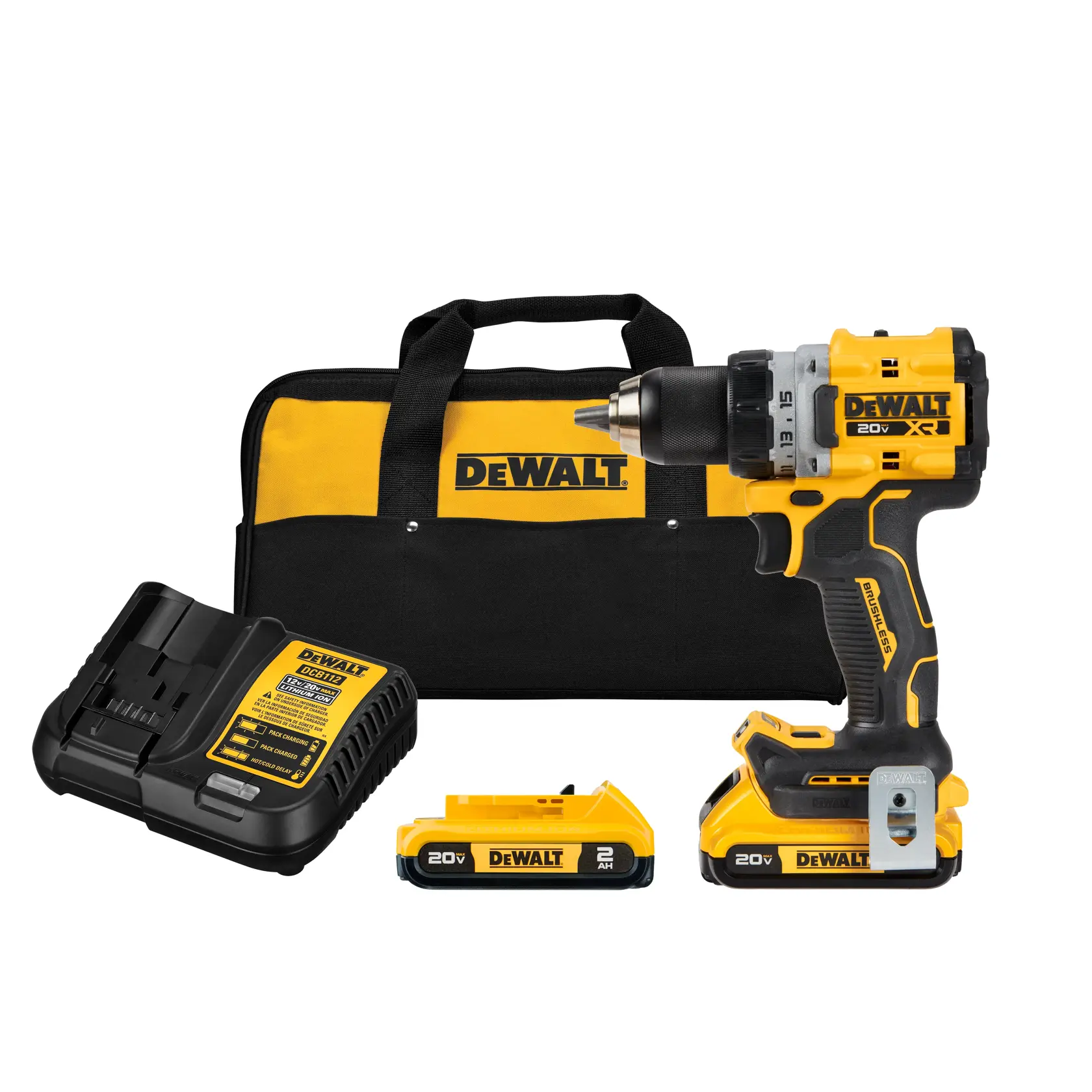
In short, if you’re driving fasteners, grab the impact driver. If you’re drilling holes or need precise torque control for small fasteners, reach for your drill. Many pros and serious DIYers own both, as they complement each other perfectly. For a deeper dive into specific brands, check out our comparison of [/dewalt-vs-milwaukee-cordless-drill/].
What ‘Brushless’ Actually Means
You’ll notice that all our top picks for 2026 impact drivers feature “brushless” motors. This isn’t just a marketing buzzword; it represents a significant leap in power tool technology that offers tangible benefits for users.
The Traditional Brushed Motor: To understand brushless, it helps to know how traditional brushed motors work. In a brushed motor, carbon brushes make physical contact with a spinning component called a commutator. This contact transfers electrical current to the motor’s windings, creating an electromagnetic field that causes the motor to spin.
The Brushless Revolution: A brushless motor, also known as a Brushless DC (BLDC) motor, eliminates these physical brushes. Instead, it uses magnets on the rotor (the spinning part) and electronic sensors to detect the rotor’s position. A circuit board (often called an electronic commutator) then precisely delivers power to the stator windings (the stationary part) in a controlled sequence, creating a rotating electromagnetic field that spins the rotor.
Benefits of Brushless Technology:
- Efficiency: Without the friction of brushes, brushless motors generate less heat and lose less energy. This means more of the battery’s power is converted into actual work, resulting in up to 50% longer run time per charge compared to brushed counterparts.
- Increased Lifespan: The absence of brushes means no wear and tear from friction. Brushes eventually wear out and need replacement, and the dust they create can clog the motor. Brushless motors are virtually maintenance-free in this regard, leading to a significantly longer tool lifespan.
- More Power and Torque: Brushless motors can be designed to be more compact while still delivering higher power and torque. The electronic control allows for more precise management of power output, optimizing performance for different tasks.
- Cooler Operation: Less friction translates to less heat generation, allowing the tool to run cooler, especially during prolonged, heavy-duty use. This further extends the life of internal components and the battery itself.
- Compact Design: The simpler internal design of brushless motors often allows manufacturers to create smaller, lighter tools without sacrificing power, which is a huge ergonomic advantage.
- Cost: While brushless tools typically have a higher upfront cost due to the more complex electronics, the long-term savings from increased efficiency, longer battery life, and extended tool lifespan often make them a more economical choice, especially for frequent users. For pros and serious DIYers, the investment pays for itself quickly.
In essence, a brushless impact driver is a smarter, more durable, and more powerful tool that makes your work easier and your investment last longer.
How to Read Spec Sheets
Understanding the numbers on an impact driver’s spec sheet can feel like deciphering a foreign language, but once you know what to look for, they tell a clear story about a tool’s capabilities. Here are the key metrics and what they mean:
- Torque (in-lbs / Nm): This is arguably the most critical specification for an impact driver, indicating its rotational force or “twisting power.”
- In-lbs (inch-pounds): The standard unit in the U.S. for measuring torque on smaller tools.
- Nm (Newton-meters): The metric equivalent. (1 Nm ≈ 8.85 in-lbs).
- Peak Torque vs. Working Torque: Manufacturers almost always list “peak torque,” which is the maximum rotational force the tool can generate under ideal conditions. While a higher peak torque generally means a more powerful driver, it’s not the only factor. For impact drivers, the “working torque” – the sustained torque delivered during actual fastening – can be more important. Tools with excellent impact mechanisms might have slightly lower peak torque but feel more powerful in hand due to efficient energy transfer. Don’t get solely fixated on the highest number; consider the tool’s overall design and user reviews. For most DIY tasks, 1500 in-lbs is ample; pros often seek 1800+ in-lbs.
- RPM (Revolutions Per Minute): This measures how fast the bit spins. A higher RPM means faster driving, especially for smaller fasteners or when starting a screw. Most impact drivers offer variable speed triggers, allowing you to control the RPM from zero up to the maximum. Many also feature multiple speed modes.
- IPM (Impacts Per Minute): This is unique to impact drivers and measures how many times the internal hammering mechanism strikes the anvil per minute. A higher IPM count indicates more frequent impacts, which translates to faster driving of tough fasteners and more efficient torque delivery. It’s the IPM, combined with torque, that makes an impact driver so effective.
- Weight (bare tool): This is crucial for ergonomics and fatigue, especially during extended use. Weight is usually listed for the “bare tool” (without the battery), as battery sizes vary. A lighter tool (under 2.5 lbs bare) is often preferred for overhead work or repetitive tasks. Remember to factor in the weight of the battery you plan to use.
- Battery Platform: This indicates the voltage (e.g., 18V, 20V Max, 24V) and ecosystem the tool belongs to. It’s a key consideration for long-term buyers, as it determines compatibility with other tools from the same brand.
- Brushless Y/N: As discussed, a “Yes” here indicates a more efficient, powerful, and durable motor.
By comparing these specs, you can gain a clearer picture of an impact driver’s capabilities and suitability for your specific needs.
The 6 Best Cordless Impact Drivers for 2026
Here are our top picks, ranked for overall performance, features, and value for money, catering to both DIY and professional users.
1. DeWalt DCF887 20V MAX XR Brushless Impact Driver
Price: $150 (bare tool) Torque: 1825 in-lbs (206 Nm) RPM/IPM: 0-3250 RPM / 0-3800 IPM Weight: 2.1 lbs (bare) Battery Platform: DeWalt 20V MAX Brushless: Yes Best For: General construction, framing, decking, all-around professional use, demanding DIYers.
The DeWalt DCF887 has been a consistent best-seller for years, and its 2026 iteration continues to set the standard for a professional-grade impact driver. Known for its robust build quality and impressive power, the DCF887 is a true workhorse. It delivers a formidable 1825 in-lbs of torque, making quick work of even the most stubborn fasteners, from lag screws to deck screws. The three-speed settings (including a Precision Drive mode) offer excellent control, preventing overtightening on delicate materials and providing maximum power when needed. Its compact size and lightweight design minimize user fatigue, even during prolonged use. The bright LED light with a 20-second delay is also a thoughtful touch for working in dimly lit areas. For professionals who need a reliable, powerful, and durable impact driver that can handle daily abuse, the DCF887 remains a top contender. It’s also an excellent choice for serious DIYers who want a tool that won’t let them down on any project.
2. Makita XDT16Z 18V LXT Brushless 4-Speed Impact Driver
Price: $150 (bare tool) Torque: 1600 in-lbs (180 Nm) RPM/IPM: 0-3600 RPM / 0-3800 IPM Weight: 2.0 lbs (bare) Battery Platform: Makita 18V LXT Brushless: Yes Best For: Fast repetitive fastening, precision work with multiple modes, compact design, professional finish carpenters.
Makita’s XDT16Z is a marvel of engineering, known for its exceptional speed, precision, and compact ergonomics. While its peak torque of 1600 in-lbs might be slightly lower than some competitors, its efficiency and advanced features make it a powerhouse in its own right. The XDT16Z boasts four-speed settings, plus a range of “Assist Mode” (A-mode) and “Tightening Mode” (T-mode) options. A-mode helps eliminate screw cam-out and cross-threading by driving at a low speed until tightening begins. T-mode (for self-drilling screws) prevents over-tightening of the fastener by stopping the impact once the screw is seated. Its impressive 3600 RPM makes it incredibly fast for repetitive tasks like installing drywall or decking. At just 2.0 lbs (bare), it’s one of the lightest and most comfortable drivers on the market, making it ideal for overhead work or extended use. For professionals who value speed, precision, and advanced control features, especially in finish carpentry or detailed assembly, the Makita XDT16Z is hard to beat.
3. Milwaukee M18 FUEL Surge 2960-20 Hydraulic Driver
Price: $230 (bare tool) Torque: 450 in-lbs (50 Nm) (Fluid-Drive Hydraulic Powertrain) RPM/IPM: 0-3000 RPM / 0-4300 IPM Weight: 2.3 lbs (bare) Battery Platform: Milwaukee M18 Brushless: Yes Best For: Quieter operation, precision fastening, extended use without fatigue, sensitive materials, professionals working in occupied spaces.
The Milwaukee M18 FUEL Surge 2960-20 isn’t your average impact driver; it’s a hydraulic impact driver, and that makes all the difference. While its peak torque of 450 in-lbs might seem low compared to traditional impact drivers, the “Fluid-Drive Hydraulic Powertrain” delivers that torque in a completely different way. Instead of metal-on-metal impact, it uses hydraulic fluid to cushion the impacts, resulting in significantly quieter operation (up to 50% less noise) and smoother performance. This means less vibration transferred to your hand, reducing fatigue over long periods. The smooth delivery of power also makes it excellent for precision fastening and working with delicate materials where you want to avoid cam-out or stripping. For professionals working in noise-sensitive environments (hospitals, schools, occupied homes), or those who simply value a more refined and comfortable driving experience, the Surge is an absolute game-changer. It’s a premium tool for a premium experience.
4. Bosch GDX18V-1860C 18V EC Brushless 1/4 In. and 1/2 In. Two-In-One Impact Driver and Wrench
Price: $170 (bare tool) Torque: 1860 in-lbs (210 Nm) RPM/IPM: 0-3400 RPM / 0-4200 IPM Weight: 2.6 lbs (bare) Battery Platform: Bosch 18V CORE18V Brushless: Yes Best For: Versatility, users who need both an impact driver and a light-duty impact wrench, automotive work, general contractors.
Bosch’s GDX18V-1860C stands out as a unique and incredibly versatile tool thanks to its innovative two-in-one bit holder. This design accepts both 1/4-inch hex-shank driver bits and 1/2-inch square-drive sockets, meaning you can seamlessly switch between driving screws and fastening/loosening nuts and bolts without changing tools or adapters. This makes it an ideal choice for mechanics, plumbers, electricians, or anyone who frequently encounters both types of fasteners. With 1860 in-lbs of torque, it delivers ample power for most demanding driving tasks, and its high RPM and IPM ensure efficient operation. The tool also features multiple speed modes and a specific auto-stop mode for impact wrench functionality, preventing over-tightening. While slightly heavier than some dedicated impact drivers, the added versatility more than justifies the weight for many users. If you’re looking to consolidate your toolkit and maximize functionality, the Bosch GDX18V-1860C offers exceptional value.
5. Ryobi PBLID03 18V ONE+ HP Brushless Impact Driver
Price: $120 (with 1.5 Ah battery) Torque: 2200 in-lbs (248 Nm) RPM/IPM: 0-2900 RPM / 0-4200 IPM Weight: 2.6 lbs (bare) Battery Platform: Ryobi ONE+ 18V Brushless: Yes Best For: Advanced DIYers, occasional pro use, great value for power, users already in the Ryobi ONE+ ecosystem.
Ryobi has stepped up its game significantly with its HP Brushless line, and the PBLID03 impact driver is a shining example. Delivering a surprising 2200 in-lbs of torque, this tool punches well above its weight class and price point. It offers power that rivals many professional-grade drivers, making it more than capable of handling challenging tasks like driving large lag screws or long deck screws. While its top RPM is a bit lower than some competitors, its high IPM ensures efficient fastening. The PBLID03 features three speed settings, allowing for control over power output. For advanced DIYers who demand serious power without breaking the bank, or even professionals looking for a reliable backup tool, the PBLID03 is an outstanding value. The fact that it often comes bundled with a battery at this price makes it an even more attractive entry point into the vast and versatile Ryobi ONE+ ecosystem.
6. Kobalt 24V XTR Brushless Impact Driver
Price: $140 (with 2.0 Ah battery) Torque: 2400 in-lbs (271 Nm) RPM/IPM: 0-3200 RPM / 0-4200 IPM Weight: 2.7 lbs (bare) Battery Platform: Kobalt 24V Max Brushless: Yes Best For: Heavy-duty DIY, budget-conscious professionals, users needing maximum power for the price.
If raw power is your top priority and you’re working on a budget, the Kobalt 24V XTR Brushless impact driver is a force to be reckoned with. Boasting an incredible 2400 in-lbs of torque, it outpowers many tools in its class, making it ideal for the most demanding fastening applications. The 24V platform gives it an edge in sustained power delivery, ensuring it won’t bog down even when driving through dense materials. It features three speed settings, including a dedicated “auto mode” that helps prevent over-tightening. While it’s the heaviest on our list, the robust construction and sheer brute force it provides are impressive for its price. The fact that it typically includes a battery in the bare tool price further enhances its value proposition. For serious DIYers who tackle heavy-duty projects, or professionals looking for maximum bang-for-your-buck power, the Kobalt 24V XTR is a powerful and economical choice.
Impact Driver Comparison Table (2026 Models)
| Model | Torque (in-lbs/Nm) | RPM/IPM | Weight (bare) | Price (bare) | Best For |
|---|---|---|---|---|---|
| DeWalt DCF887 | 1825 / 206 | 3250 / 3800 | 2.1 lbs | $150 | All-around professional use, general construction, framing, decking. |
| Makita XDT16Z | 1600 / 180 | 3600 / 3800 | 2.0 lbs | $150 | Fast repetitive fastening, precision with multiple modes, finish carpentry, compact design. |
| Milwaukee M18 FUEL Surge | 450 / 50 | 3000 / 4300 | 2.3 lbs | $230 | Quieter operation, precision, reduced fatigue, sensitive materials, working in occupied spaces. |
| Bosch GDX18V-1860C | 1860 / 210 | 3400 / 4200 | 2.6 lbs | $170 | Versatility (driver & wrench), automotive work, general contractors, consolidating tools. |
| Ryobi PBLID03 | 2200 / 248 | 2900 / 4200 | 2.6 lbs | $120 (w/batt) | Advanced DIYers, occasional pro use, excellent value for power, existing Ryobi users. |
| Kobalt 24V XTR Brushless | 2400 / 271 | 3200 / 4200 | 2.7 lbs | $140 (w/batt) | Heavy-duty DIY, budget-conscious professionals, users needing maximum power. |
Best Battery Platform for Long-Term Buyers
Investing in a cordless tool means investing in a battery platform. This ecosystem determines which other tools you can buy from the same brand and use with your existing batteries. For long-term buyers, choosing a robust and versatile platform is crucial for cost savings and convenience.
- Milwaukee M18: The M18 platform is a powerhouse for professionals. It boasts the broadest and deepest line of cordless tools in the industry, covering everything from compact drivers to heavy-duty outdoor power equipment. If you’re a contractor, electrician, plumber, or serious woodworker, the M18 system offers an unparalleled range of specialized tools. Their FUEL line, in particular, represents the pinnacle of performance. While often a premium investment, the reliability, innovation, and sheer breadth of tools make it a top choice for those building a comprehensive professional kit.
- DeWalt 20V Max: DeWalt’s 20V Max platform is another industry standard for professionals and serious DIYers. Known for its rugged durability and consistent performance, the 20V Max line offers a vast array of tools suitable for construction, automotive, and home improvement tasks. DeWalt strikes an excellent balance between professional-grade performance and accessibility, making it a favorite on job sites and in home workshops alike. Their FlexVolt batteries also offer backward compatibility and higher voltage for demanding tools.
- Makita 18V LXT: Makita’s 18V LXT platform is celebrated for its innovation, ergonomics, and efficiency. Professionals, especially in finish carpentry, woodworking, and automotive, often gravitate towards Makita for their precision and advanced features. The LXT line offers a wide range of compact and powerful tools, with a strong emphasis on brushless technology. Makita tools are known for their smooth operation and thoughtful design, making them a pleasure to use for extended periods.
- Ryobi ONE+ 18V: The Ryobi ONE+ platform is the undisputed king of versatility for DIYers. With over 280 tools in its ecosystem (and growing!), it offers an incredible range of products, from common power tools to specialty items like misting fans, glue guns, and even coffee makers. While traditionally aimed at the DIY market, their HP Brushless line now offers performance that can rival entry-level professional tools. For homeowners, hobbyists, and anyone looking to power their entire garage and garden with one battery system, Ryobi offers unmatched value and breadth.
- Bosch 18V CORE18V: Bosch’s 18V platform, particularly with their CORE18V batteries, is designed for demanding professional use. Known for its robust engineering and innovative features, Bosch tools are a favorite among electricians, plumbers, and general contractors who value reliability and smart design. While its tool count might not be as extensive as Milwaukee or DeWalt, the quality and performance of its core lineup are exceptional, especially for specific trades.
- Kobalt 24V Max: Kobalt’s 24V Max platform, particularly with its XTR line, has gained a reputation for delivering impressive power and value. It’s an excellent choice for heavy-duty DIYers and budget-conscious professionals who want maximum performance without the premium price tag of the top-tier brands. While the ecosystem isn’t as vast as Ryobi or the professional brands, it offers a solid range of essential power tools that perform admirably.
When choosing, consider your current tool collection, your budget, and the types of projects you anticipate. Sticking to one platform streamlines your battery and charger management, saving you money and hassle in the long run.
Frequently Asked Questions
1. Do I need a 4-mode impact driver?
Not necessarily, but it’s a significant upgrade. A basic impact driver usually has a variable speed trigger. A 2- or 3-mode driver adds fixed speed settings (low, medium, high) for better control. A 4-mode driver (like the Makita XDT16Z) often includes specialty modes like “auto-stop” or “assist mode” that automatically adjust speed and impact to prevent over-tightening or cam-out. For general DIY, a basic variable speed driver is fine. For professionals or precision tasks, the additional modes offer enhanced control, efficiency, and fastener protection, making the investment worthwhile.
2. What’s the difference between an impact wrench and an impact driver?
While both use an impact mechanism, their primary functions and output are different:
- Impact Driver: Designed for driving screws and fastening tasks. It uses a 1/4-inch hex shank to accept driver bits. It delivers rotational impacts for tightening.
- Impact Wrench: Designed for loosening and tightening nuts and bolts. It uses a square drive (typically 3/8-inch, 1/2-inch, or 3/4-inch) to accept sockets. It delivers much higher torque, often in both directions, for breaking loose stubborn fasteners. Some tools, like the Bosch GDX18V-1860C, offer a hybrid 2-in-1 design for light-duty wrenching and driving.
3. Is the 1/4-inch hex shank standard for all impact drivers?
Yes, the 1/4-inch hex shank is the universal standard for impact driver bits. This ensures compatibility across all brands of impact drivers. Most drivers also feature a quick-release chuck, allowing for fast, one-handed bit changes.
4. How can I make my impact driver bits last longer?
Impact drivers exert immense force, which can wear down bits quickly. To prolong bit life:
- Use Impact-Rated Bits: Always use bits specifically designed for impact drivers (often labeled “impact ready” or “shockwave”). These are made from harder, more durable steel and are designed to flex under torque.
- Use the Right Bit Size: Ensure the bit fits snugly into the screw head to prevent cam-out and stripping.
- Apply Consistent Pressure: Keep firm, consistent pressure on the tool, pushing straight into the fastener.
- Use Lower Speed/Torque Modes: For smaller or delicate fasteners, use a lower speed or torque setting to reduce stress on the bit.
- Avoid Overheating: If a bit gets excessively hot, it weakens. Allow it to cool or switch to another bit.
5. What’s the best starter platform for a new DIYer?
For a new DIYer, the Ryobi ONE+ 18V platform is often the best starting point. Its extensive ecosystem offers an incredible variety of tools for every conceivable home and garden task, from drills and saws to vacuums and inflators. The tools are generally affordable, perform well for DIY needs, and the batteries are interchangeable across the entire line. This allows you to build a comprehensive tool collection without being locked into premium prices. For more general home maintenance tips, check out /best-stud-finders-home-diy/ or /how-to-hang-heavy-mirror-drywall-without-studs/.
Choosing the right impact driver can significantly impact your efficiency and enjoyment of projects. By understanding the nuances of these powerful tools and considering your specific needs, you’re now equipped to make an informed decision. Whether you prioritize raw power, quiet operation, versatility, or incredible value, there’s a cordless impact driver on this list ready to become your next favorite tool.