Why a Backsplash Is the Best Kitchen Upgrade for the Money
For $150 to $400 in materials and a weekend of work, a tile backsplash is the highest visual-impact upgrade you can do to a kitchen without replacing anything. It hides stains, protects drywall from splashes, and makes even a tired kitchen look finished.
It is also the first “real” tile job most DIYers ever attempt, and that is where people get in trouble. A backsplash is visible at eye level, so any mistake — a crooked line, a bad cut around an outlet, a blotch of dried grout — is going to stare at you every morning for the next ten years. The job is not hard, but it has to be done carefully.
This guide walks through the full project from choosing tile to sealing the grout, and covers the two mistakes that wreck most first attempts: starting in the wrong spot and rushing the grout.
Tile Options: Subway vs. Mosaic vs. Peel-and-Stick
The tile you choose drives everything else — tools, prep, difficulty, and final look. Here are the three types you are choosing between.
Subway Tile (White Ceramic, 3x6 inch)
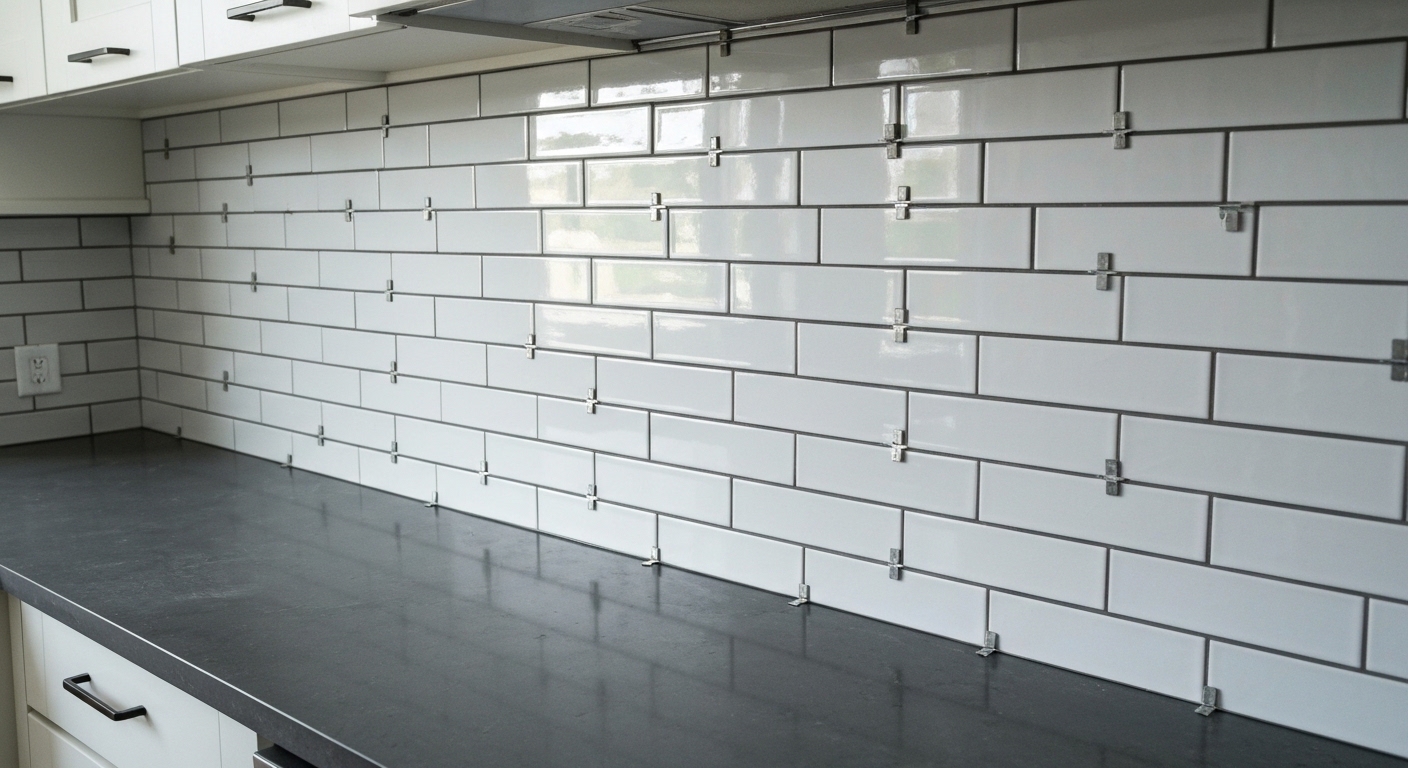
The classic. A box of 100 white 3x6 subway tiles costs $25-35 at Home Depot. They are easy to cut with a score-and-snap cutter, easy to set, and never go out of style. Grout lines are typically 1/16 inch with a horizontal offset pattern (running bond).
Pros: Cheap, forgiving, timeless look, easy cuts. Cons: Looks very standard — almost generic — unless you do something with the grout color or layout.
Best for beginners. This is what I recommend for a first tile project.
Mosaic Sheets
Small tiles (usually 1/2 inch to 2 inch) pre-mounted on a 12x12 mesh sheet. You set the whole sheet at once, which sounds easier but is actually harder than subway because the mesh flexes and the tiny tiles can go crooked if you are not careful. Also, mosaic sheets with glass or metal tiles cost $12-25 per square foot, so a 30-square-foot backsplash runs $400-750 in tile alone.
Pros: Luxury look, thousands of patterns available, easier cuts around odd shapes (you can just remove individual tiles from the mesh). Cons: Expensive, finicky to align, more grout work, cannot hide imperfect walls.
Use mosaic for accent strips or small backsplashes. For a full kitchen, the cost adds up fast.
Peel-and-Stick Tile
Self-adhesive vinyl or aluminum “tiles” that mimic the look of real tile. No thinset, no grout, no wet saw. Half a day from start to finish. Cost is $10-20 per square foot.
Pros: Fastest installation, cleanest work, removable, perfect for renters. Cons: Looks close to tile but not quite — up close you can tell. Can peel over time, especially near the stove where heat and grease hit it. Resale value is lower because buyers know the difference.
I have installed peel-and-stick in a rental and it looked fine for three years before starting to lift. If you own the house and plan to live there a decade, go with real tile. If you rent or want a reversible upgrade, peel-and-stick is a reasonable shortcut.
This guide covers real tile installation. If you go peel-and-stick, the manufacturer’s instructions will cover everything you need.
Tools You Need
For a real-tile job, here is the list.
Must-Have Tools
- Manual tile cutter (score-and-snap) — works for subway and most ceramic. A wet saw is overkill for backsplash tile unless you have many small cuts.
- Tile nippers — for curved cuts and outlet corners. Nibble off small pieces at a time.
- 1/4-inch V-notch trowel — for spreading thinset. The notch size matters: 1/4 inch is right for most backsplash tile. Larger notches leave too much thinset behind.
- Tile spacers (1/16 inch) — keep your grout lines even.
- Rubber grout float — for spreading grout into the joints after tile sets.
- Two buckets — one for mixing thinset, one for clean water.
- Large sponges — for wiping grout haze off the tile face.
- Level (at least 2 feet long).
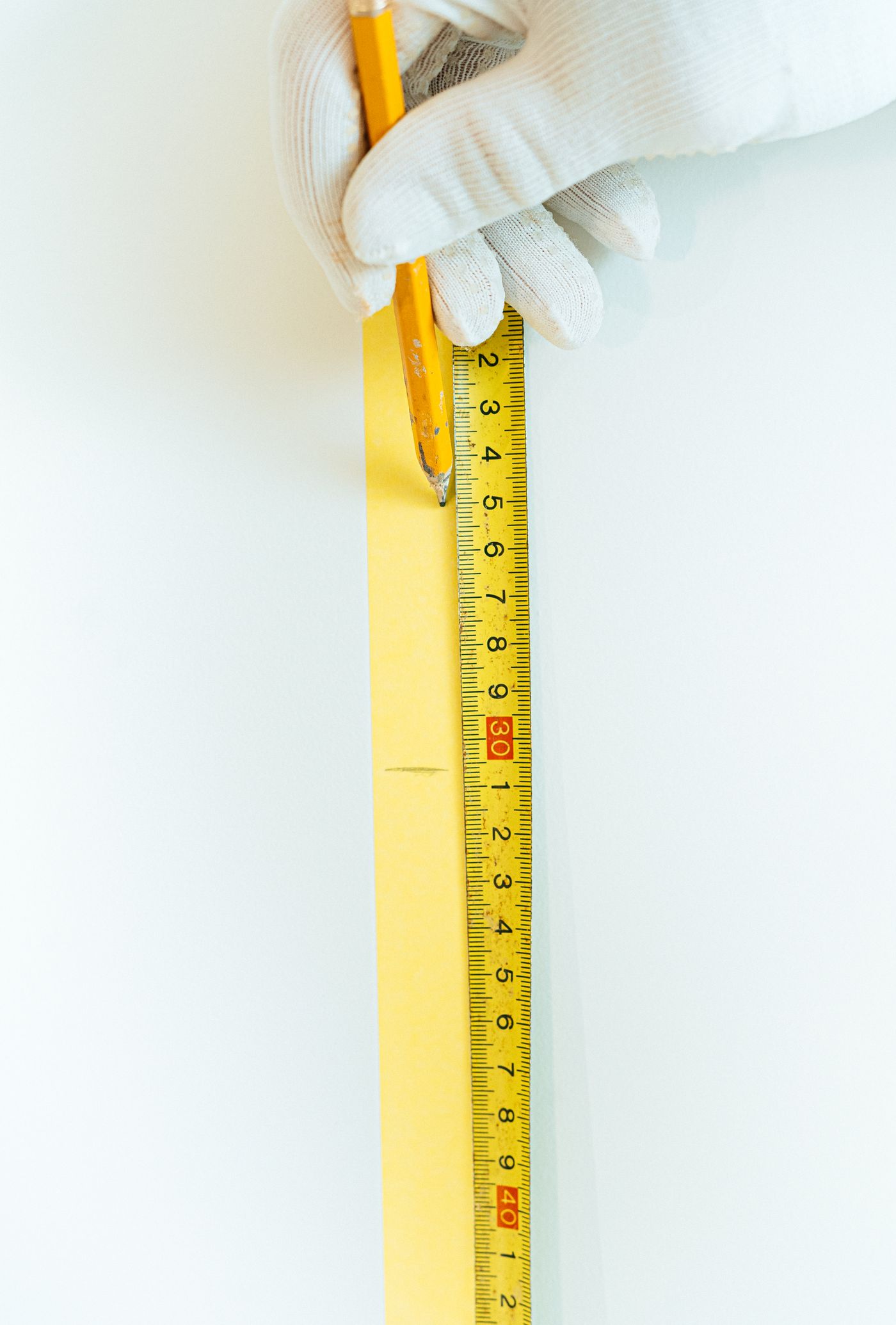
- Tape measure, pencil, straightedge.
- Drop cloths and painter’s tape to protect countertops.
Materials
- Tile — measure your wall area in square feet and add 10% for cuts and breakage.
- Unmodified thinset mortar — 25 lb bag is enough for a typical backsplash. Use unmodified if you are tiling over drywall (modified can cause bond issues on non-porous substrates).
- Grout — sanded for joints wider than 1/8 inch, unsanded for narrower joints. Most subway tile with 1/16 spacers takes unsanded.
- Grout sealer — spray or wipe-on. Essential on cement grout near a stove.
- Caulk matched to grout color for the counter-to-tile seam.
- Outlet box extenders — if you are tiling over outlets (you are), you need these.
Step 1: Measure and Plan the Layout
Measure the total backsplash area. Multiply length by height for each section. Add 10% waste factor. This is how much tile to buy.
Now plan your layout on paper or painter’s tape on the wall. The question is: where does the first row start and where are the cut tiles going to end up?
The Layout Rules
- Start from the center and work out, not from one corner. This way any awkward cut tiles are split evenly between the two ends, not concentrated on one side.
- Avoid leaving a tiny sliver of cut tile at the edge. If your layout leaves a 3/4-inch cut at the wall, shift the starting point so you get a 3-inch cut instead. Slivers are hard to set and look bad.
- Use a vertical reference line. Mark a plumb (perfectly vertical) line in the center of your main wall using a level. This is your layout anchor, not the counter or the wall corner, both of which are probably not square.
- Plan for outlets and switches. Note their exact positions and decide how the tile pattern crosses them. You want cuts at outlets to look intentional, not accidental.
Lay a dry run of tile on the counter along the wall first, with spacers. Confirm you like how it looks before you mix any thinset. Adjust starting position until the layout works.
Step 2: Prep the Surface
Tile bonds to clean, flat, solid drywall. Take an hour on prep before you mix anything.
- Turn off power to the kitchen circuit at the breaker. You will be working around outlets.
- Remove the outlet and switch cover plates. Unscrew the outlets and switches themselves and let them hang forward from their wires. You need them out of the way.
- Wipe down the wall with a damp rag to remove grease. Kitchen walls are greasier than you think.
- Fill any holes bigger than a pencil point with drywall joint compound. Let dry and sand flat.
- Sand the wall lightly with 120-grit to de-gloss any paint. Wipe the dust off with a damp rag.
- Tape off the counter, stove top, and any adjacent cabinets with painter’s tape plus a plastic drop cloth.
- Mark your vertical center line with pencil.
Do not skip the de-glossing step. Glossy paint is slippery and thinset will not grip it well.
Step 3: Mix and Apply Thinset
Mix unmodified thinset in a clean bucket per the bag instructions. Usually: pour water first, then add powder while stirring with a drill and mixing paddle until it reaches peanut-butter consistency. Let it slake (sit) for 10 minutes, then restir. Do not add more water after slaking.
Work in small sections — maybe 3 or 4 square feet at a time. Thinset skins over in 15-20 minutes and tile will not bond to skinned thinset.
- Scoop thinset onto the wall with the flat edge of the trowel.
- Spread it across the wall in a smooth layer, then comb it with the notched edge held at 45 degrees. The comb lines should all run in the same direction (horizontal is standard) — this helps air escape when you press the tile.
- Do not apply thinset more than a few feet ahead of where you are setting tile.
Step 4: Set the Tiles
Start at the bottom of your center vertical line. Press the first tile into the thinset firmly with a slight wiggle to collapse the comb ridges. Add spacers at the corners. Set the next tile, press, spacer. Continue outward in both directions.
Every third or fourth tile, check your level. Running bond subway patterns are unforgiving — if one course starts going uphill, the whole pattern telegraphs the mistake.
Tips for Clean Setting
- Wipe thinset off the tile face immediately with a damp sponge. Dried thinset is a nightmare to remove.
- Back-butter odd pieces. If a tile looks a little loose, scoop a thin layer of thinset onto the back of the tile before pressing it in.
- Use a level across multiple tiles, not on a single one, to catch creeping errors.
- Stop working on the wall when you run out of uncut full tiles. Save the cut pieces and outlet areas for the next session after the first tiles have set for a few hours.
Step 5: Cutting Tile Around Outlets and Edges
The cuts at outlets are where amateur jobs get exposed. Take your time.
Straight Cuts
Use the manual score-and-snap cutter. Measure, mark with a pencil, score once with firm pressure across the glazed face, then press the snap handles down. The tile breaks cleanly along the score line. Practice on a waste tile first to get the feel.
L-Shaped Cuts for Outlets
You need to cut an L-shape out of a tile so it fits around an outlet box. The cleanest method for a first-timer:
- Measure the outlet box dimensions and mark them on the tile where they will sit.
- Score the horizontal line of the L with the cutter.
- Use tile nippers to nibble out the vertical leg of the L, starting from the edge and working toward the scored line.
- The nipped edge will be rough — that is fine, it will be hidden by the outlet cover plate.
For cleaner outlet cuts, a wet saw with a diamond blade is faster, but a wet saw is $60-120 to rent plus you need space outdoors to use it. For most backsplashes, nippers are good enough.
Outlet Box Extenders
Here is the step everyone forgets. When you tile over a wall, you are adding about 1/4 inch of thickness to the wall surface (tile plus thinset). The outlet boxes that used to sit flush with the drywall are now recessed by 1/4 inch. Code requires the outlet to be flush with the finished wall surface, and even if you do not care about code, the outlet cover plate will not sit flat without an extender.
Buy plastic outlet box extenders — they are $1-2 each at any hardware store. They slide in behind the outlet when you reinstall it, adding depth so the outlet sits flush with your new tile surface. Get one per outlet you are tiling over.
Step 6: Let It Set Overnight
After all tile is placed (including cut pieces around outlets), leave it alone for at least 24 hours. Thinset needs that time to cure before you grout. Rushing this step is how tiles pop off when you grout.
If you tried to mix grouting in the same day, you will press on tiles that are not fully bonded and shift them out of line. Just walk away.
Step 7: Grout the Joints
Remove all the spacers. Mix grout to the consistency of thick yogurt per the bag instructions. Work in small sections.
- Scoop grout onto the tile face with the rubber float.
- Hold the float at a 45-degree angle and press grout into the joints in multiple directions. Diagonal strokes across the joint line pack the grout in best.
- Scrape excess grout off the tile face with the float held almost perpendicular. Work diagonally so you do not pull grout back out of the joints.
- Wait 15-20 minutes for the grout to firm up slightly.
- Wipe the tile face with a damp (not wet) sponge in circular motions. Rinse the sponge frequently. This removes grout from the tile surface while leaving it in the joints.
- After another 30 minutes, you will see a cloudy haze on the tile. Wipe again with a clean damp sponge or a dry microfiber cloth.
Do not oversoak the sponge. Too much water washes grout out of the joints and leaves pits.
Let the grout cure per the bag — usually 24 hours before sealing.
Step 8: Seal the Grout and Caulk the Seam
Cement grout is porous. It will absorb tomato sauce, coffee, and grease unless you seal it.
- Apply grout sealer with a brush or spray bottle after the grout has cured for a full day.
- Wipe excess off the tile face.
- Let dry per the sealer instructions (usually a few hours).
Finally, caulk the seam between the counter and the bottom row of tile with a matched-color silicone or latex caulk. Do not grout this joint — it needs to flex as the counter shifts with temperature. A bead of caulk stays flexible and prevents cracks.
What Can Go Wrong
Starting from a corner instead of the center. You end up with ugly cuts clustered on one wall end. Always start from a plumb center line.
Skipping outlet box extenders. Covers will not sit flat and the outlet is technically recessed below the finished surface. Buy extenders.
Rushing the thinset cure. Grouting before 24 hours means loose tiles. Just wait.
Using too much water when cleaning grout. Washes grout out of the joints and leaves a blotchy finish. Damp sponge only.
Grouting the counter-to-tile seam. That joint moves. Use caulk instead or watch it crack within a month.
Not de-glossing the wall paint. Thinset slides off glossy paint. Sand first.
Final Thoughts
A backsplash is a two-weekend job if you have never tiled before: one weekend to measure, prep, and set the tile, and the next weekend to grout and seal after everything cures. Do not compress it into a single weekend. The time off between sessions is what makes the difference between a clean job and a loose, crooked mess.
Budget $150-200 for basic white subway, $300-400 for mosaic or patterned tile, and add $50 for sundries like thinset, grout, spacers, and extenders. Factor in one or two tools you do not own yet.
When you are done, take a step back from the kitchen and look at the backsplash from the far side of the room. If the grout lines are straight, the tiles are level, and the outlet cuts are tight, you have just added real value to your home for a few hundred dollars and a couple of Saturdays. That is as good as DIY gets.