WOODWORKING ·14 MIN READ

Impact Driver vs Drill: Which Power Tool Do You Need?

A detailed comparison of Impact Driver and Drill. Learn the key differences, pros and cons, and which one is right for you.

DIFFICULTYbeginner
READ14 min
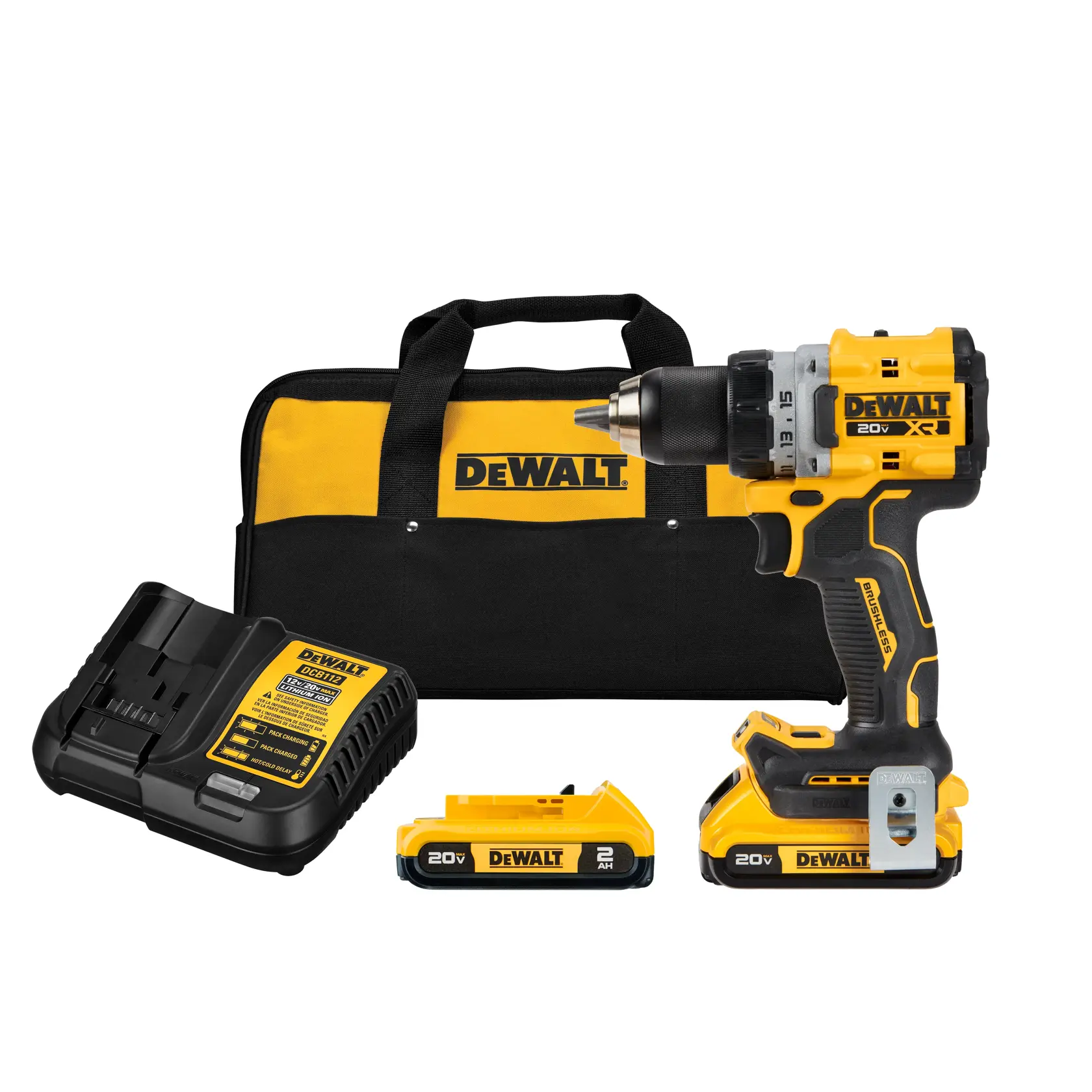
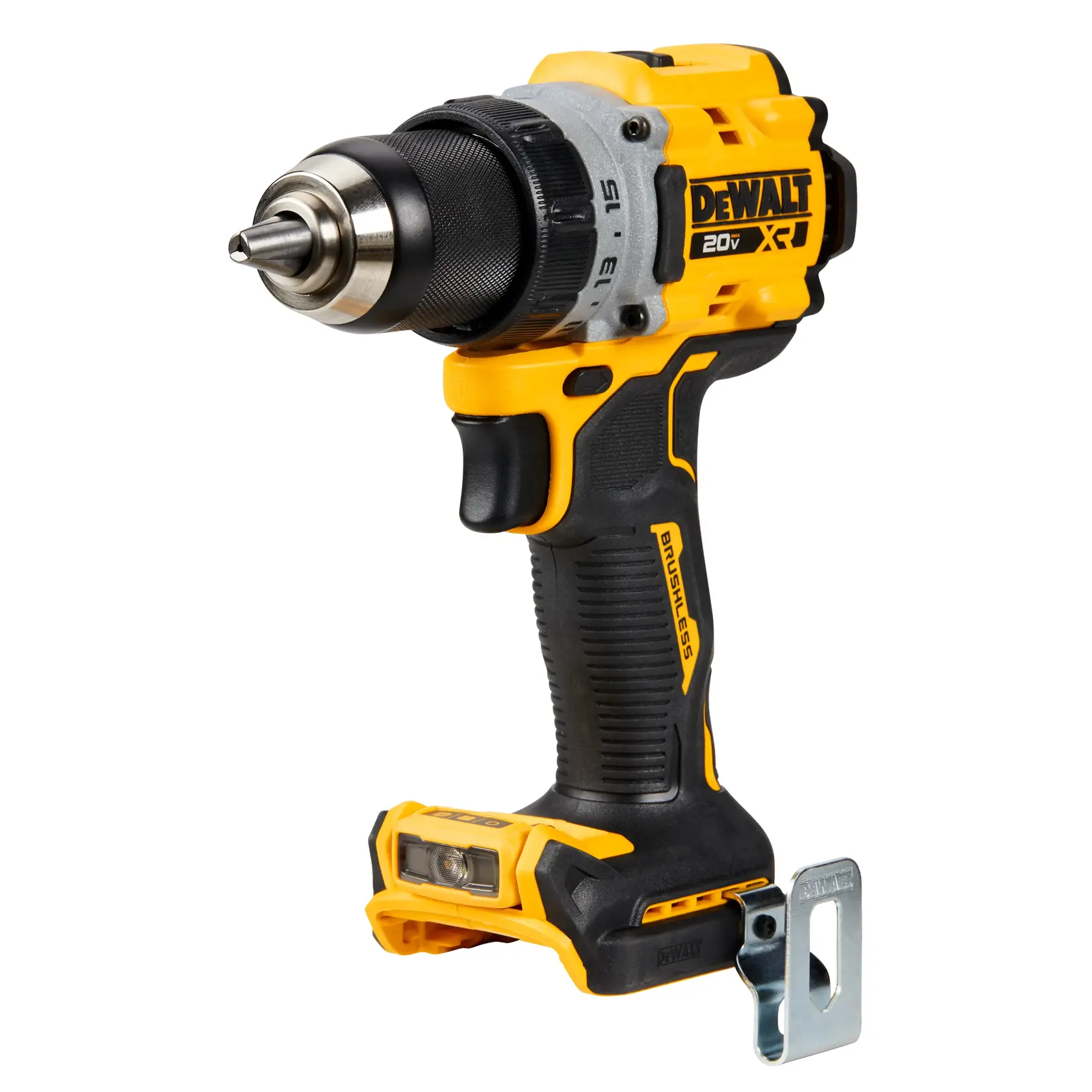
Side-by-side comparison of Impact Driver and Drill

When you’re building out your toolkit, whether for professional projects or tackling DIY tasks around the house, two power tools often cause confusion due to their similar appearances and seemingly overlapping functions: the impact driver and the drill. While both are indispensable for many jobs, they are fundamentally different machines designed for distinct purposes. Understanding these differences isn’t just about knowing your tools; it’s about working smarter, more efficiently, and achieving better results while prolonging the life of your equipment. Let’s dive deep into what sets these two powerhouses apart, helping you decide which one (or both!) deserves a spot in your workshop.

What Is An Impact Driver?

An impact driver is a specialized power tool primarily designed for driving screws and fasteners, particularly long, large, or stubborn ones. Its core distinction lies in its unique “impact” mechanism. Unlike a standard drill that relies solely on rotational force, an impact driver delivers rapid, concussive blows (tangential impacts) in addition to its rotational force when it encounters resistance.

Imagine hammering a nail. You apply force, but if the nail gets stuck, you hit it harder. An impact driver does something similar but in a rotational way. When the motor senses significant resistance, an internal hammer mechanism engages, striking an anvil multiple times per second. This combination of rotational torque and percussive force allows the impact driver to drive fasteners with incredible power, often with less effort from the user, as the impact action prevents the tool from twisting aggressively in your hand (known as kickback).

Impact drivers are characterized by their hex chuck, which accepts 1/4-inch hex-shanked bits. This design provides a secure, quick-change connection, ideal for bits designed to withstand high torque. They are typically more compact and lighter than drills, making them excellent for working in tight spaces or overhead applications. Their high torque output makes them superb for heavy-duty tasks like driving lag bolts, deck screws, or long construction screws into dense materials without pre-drilling.

What Is A Drill?

A drill, often referred to as a drill/driver, is arguably one of the most versatile and fundamental power tools in any workshop. Its primary function is to create holes in various materials, but it’s also highly capable of driving screws, albeit with less raw power than an impact driver.

The operation of a drill is straightforward: it generates pure rotational force. A motor spins a chuck, which securely holds a drill bit or screwdriver bit, and this rotational motion does all the work. Drills typically feature a three-jaw chuck (either keyed or keyless) that can accommodate a wide range of round-shanked or hex-shanked bits, from small twist bits for pilot holes to large hole saws for plumbing or electrical work.

One of the defining features of most modern drills is the clutch mechanism. This adjustable collar allows you to set the maximum amount of torque the drill will apply before the clutch slips, preventing you from stripping screw heads or overtightening fasteners. Drills also come with variable speed triggers and often multiple gear settings, providing precise control over the rotational speed, which is crucial for drilling different materials or driving delicate screws.

Drills come in various forms: corded models for continuous power, cordless models for portability, and hammer drills, which add a forward percussive action (axial impacts) specifically for drilling into masonry and concrete. While a drill can certainly drive screws, its lack of an impact mechanism means it relies solely on continuous torque, which can lead to cam-out (the bit slipping out of the screw head) or increased wrist strain with larger fasteners.

Head-to-Head Comparison Table

To give you a quick overview of their key differences, here’s a side-by-side comparison:

FeatureImpact DriverDrill (Drill/Driver)
Primary FunctionDriving fasteners (screws, lag bolts)Drilling holes (wood, metal, plastic, masonry)
Torque MechanismRotational force + tangential concussive impactsPure rotational force
Chuck Type1/4-inch hex quick-change chuck3-jaw keyed or keyless chuck
Best ForHeavy-duty fastening, long screws, dense materialsDrilling various holes, light-to-medium fastening
Noise LevelSignificantly louder due to impact mechanismGenerally quieter, consistent motor hum
Size/WeightMore compact, shorter head length, often lighterGenerally larger, longer head length, can be heavier
User FatigueLess wrist strain/kickback due to impact actionMore prone to kickback with heavy resistance
Bit Compatibility1/4-inch hex shank bits ONLY (driver bits, some drill bits)Wide range of round and hex shank bits (drill bits, driver bits, hole saws)
PrecisionLess precise for delicate tasks due to high torqueMore precise control with clutch settings
Speed ControlVariable speed trigger, often fewer gear settingsVariable speed trigger, often multiple gear settings, clutch

Key Differences Detailed

While the table provides a concise summary, let’s elaborate on these distinctions to fully appreciate why each tool excels in its specific domain.

Torque and Power Delivery

This is the most significant difference. A drill applies continuous rotational torque. When a screw encounters significant resistance, the drill’s motor works harder, and if the resistance is too great, the drill might stall, or the bit might cam out of the screw head. If you don’t have a firm grip, the drill can twist violently in your hand, potentially causing injury or fatigue.

An impact driver, conversely, utilizes its unique impact mechanism. When the motor senses resistance, the internal hammer mechanism begins to strike the anvil, delivering rapid, high-force rotational blows. This action translates into significantly higher torque output compared to a drill of similar size, allowing it to drive fasteners through tough materials with relative ease. The key benefit here is that this power is delivered in short, sharp bursts, which minimizes the twisting force (kickback) transferred back to your wrist. This makes driving long, stubborn fasteners much less fatiguing and safer.

Chuck Type and Bit Compatibility

Drills typically feature a 3-jaw chuck that can open and close to securely grip a wide variety of shanks – round, hex, or even triangular. This versatility means you can use an extensive range of accessories, including twist drill bits, spade bits, hole saws, auger bits, wire brushes, sanding drums, and screwdriver bits. This is why a drill is often considered the more versatile tool for general tasks.

Impact drivers, on the other hand, almost exclusively use a 1/4-inch hex quick-change chuck. This design is robust and allows for rapid bit changes. However, it means you are limited to bits with a 1/4-inch hex shank. While there are some hex-shanked drill bits available, they are generally not as common or as varied as the round-shanked bits used in a drill. If your primary need is drilling a wide range of hole sizes or types, a drill is indispensable. For more on selecting the right accessories, check out our guide on Choosing the Right Drill Bits for Every Material.

Primary Applications

The difference in power delivery and bit compatibility dictates their primary applications. Impact drivers excel at:

  • Driving long screws (e.g., 3-inch deck screws)
  • Driving lag bolts
  • Assembling large furniture or structures (e.g., sheds, decks)
  • Working with tough materials where high torque is needed (e.g., hardwoods, treated lumber)
  • Repetitive fastening tasks where speed and efficiency are key

Drills excel at:

  • Drilling holes in wood, metal, plastic, and (with a hammer drill function) masonry
  • Light-to-medium duty fastening, especially where precision is needed
  • Pilot holes for screws
  • Using specialty bits like hole saws or paddle bits
  • Mixing paint or thin-set mortar with an appropriate attachment
  • Tasks requiring precise speed and torque control, thanks to clutch settings

Size and Ergonomics

Impact drivers are generally more compact and lighter than drills, particularly in terms of head length. This smaller footprint makes them ideal for working in confined spaces, between studs, inside cabinets, or overhead where a larger drill might be cumbersome. Their ergonomic design, with the weight often balanced well, also contributes to reduced user fatigue during extended use.

While cordless drills have become much more compact over the years, their chuck and motor housing still typically result in a longer profile compared to an impact driver. For general drilling and driving, this isn’t usually an issue, but in tight spots, the impact driver often has the edge.

Noise Level

The impact mechanism, while powerful, is inherently noisy. When an impact driver engages its hammer and anvil, it produces a distinct, loud, ratcheting sound. This can be jarring, especially in enclosed spaces, and hearing protection is highly recommended during prolonged use.

Drills, on the other hand, produce a more consistent, albeit sometimes loud, motor hum. While not silent, they generally operate at a lower decibel level than an impact driver when performing a similar task.

User Experience and Fatigue

One of the most appreciated aspects of an impact driver is how it reduces user fatigue. The impact action absorbs much of the rotational force, meaning less torque is transferred back to your wrist. This significantly reduces the risk of wrist strain, especially when driving many fasteners or working with stubborn materials. You don’t need to lean into the tool as much, making overhead work easier.

With a drill, especially when driving larger screws, you often need to apply more downward pressure and maintain a firm grip to counteract the torque. If the screw binds or bottoms out, the drill can twist violently, which can be tiring and potentially cause injury. The lack of an impact mechanism means the drill struggles more with tough resistance, leading to more effort from the user.

Precision vs. Raw Power

The clutch on a drill is a game-changer for precision. By setting the clutch to a specific torque, you can drive screws to a consistent depth without overtightening or stripping the screw head. This is invaluable for delicate work, assembling furniture, or working with soft materials where too much power can cause damage.

Impact drivers, while often having variable speed triggers, typically lack a clutch mechanism. Their design is focused on delivering maximum torque. While some advanced models offer multiple speed/power settings, they still deliver that power with an impact, making them less suitable for very delicate tasks where precise torque control is paramount. For general construction and heavy-duty fastening, however, that raw power is exactly what you need.

Who Should Choose An Impact Driver?

An impact driver is an essential tool for anyone frequently engaged in fastening tasks, especially those involving long, large, or numerous screws.

You should choose an impact driver if:

  • You build decks, fences, or other large structures: Driving hundreds of deck screws or lag bolts is where an impact driver truly shines. It’s faster, less fatiguing, and more effective.
  • You work with dense hardwoods or treated lumber: These materials can be challenging for a standard drill, often requiring pre-drilling. An impact driver can often drive screws directly into them with less effort.
  • You’re a professional tradesperson (carpenter, electrician, plumber, HVAC): The speed, power, and reduced fatigue of an impact driver make it indispensable for daily tasks on job sites.
  • You frequently assemble furniture or cabinetry that uses large fasteners: While a drill can do it, an impact driver will get the job done much quicker and with less strain.
  • You want to minimize wrist strain and kickback: The impact mechanism significantly reduces the twisting force on your wrist, making it more comfortable and safer to use.

If your projects primarily involve driving fasteners, particularly those that challenge a standard drill, an impact driver will be a game-changer for your efficiency and comfort.

Who Should Choose A Drill?

A drill (specifically a drill/driver) is the foundational power tool for most DIYers and professionals who need versatility.

You should choose a drill if:

  • Your primary need is to drill holes: Whether it’s pilot holes for screws, larger holes for wiring, or mounting hardware, a drill with its versatile chuck is the undisputed champion.
  • You’re a beginner or tackling general household tasks: A drill is more forgiving for light-duty fastening and offers precise control with its clutch settings, preventing stripped screws or damaged materials.
  • You need to work with a wide variety of bits and accessories: From twist bits and spade bits to hole saws and wire brushes, the 3-jaw chuck of a drill accommodates nearly everything.
  • You need precise torque control: The adjustable clutch on a drill is crucial for delicate tasks, ensuring you don’t overtighten or damage fasteners and materials.
  • You occasionally need to drill into masonry or concrete: If you opt for a hammer drill, you gain the added capability for light-duty concrete work, expanding its versatility even further.
  • You’re on a tight budget and can only afford one tool: If you have to pick just one, a drill/driver offers the most overall utility for a wide range of tasks.

For anyone who needs to make holes and perform light-to-medium fastening with precision, a drill is the ultimate all-rounder.

Can You Use/Have Both?

Absolutely, and in fact, having both an impact driver and a drill is the ideal scenario for most serious DIYers and professionals. They are not competitors but rather complementary tools that excel in different aspects of a project.

Think of it this way: a drill is your precision instrument, perfect for starting projects by drilling pilot holes, creating clean holes for various applications, and handling delicate fastening with its clutch. An impact driver is your workhorse, ready to follow up by quickly and powerfully driving in all those fasteners, especially the long and stubborn ones.

Here’s why having both is a huge advantage:

  • Efficiency: You won’t need to constantly switch bits between drilling and driving. Keep a drill bit in your drill and a driver bit in your impact driver, saving valuable time and effort. This is particularly useful for tasks like deck building where you might drill a pilot hole and immediately drive a screw.
  • Specialization: Each tool performs its primary function better than the other. You get superior drilling with a drill and superior fastening with an impact driver.
  • Reduced Wear and Tear: Using the right tool for the job reduces strain on the tool itself, potentially extending its lifespan. Forcing a drill to drive countless lag bolts will wear it out faster than using an impact driver for the same task.
  • Versatility for Complex Projects: Many projects require both precise drilling and heavy-duty fastening. With both tools, you’re equipped for anything from intricate woodworking to robust construction. For tips on managing all your cordless tools effectively, see our article on Mastering Your Cordless Tools: Tips and Tricks.

Most modern cordless tool manufacturers offer combo kits that include both an impact driver and a drill, often sharing the same battery platform. This is a popular and cost-effective way to acquire both tools and build a comprehensive cordless system.

The Verdict

Ultimately, the question isn’t which tool is “better,” but rather which tool is “better for the job you need to do.” An impact driver is a specialized beast, designed for one thing: driving fasteners with immense power and efficiency. A drill is the versatile workhorse, capable of drilling a myriad of holes and handling general fastening with precision.

If your projects primarily involve driving a lot of fasteners, especially long or large ones into tough materials, an impact driver will be your best friend. It will save your wrists, speed up your work, and handle tasks a drill would struggle with.

If you need to drill holes of various sizes, or perform delicate fastening tasks where precision and preventing overtightening are key, a drill is the indispensable tool.

For anyone serious about DIY, woodworking, or professional trades, the answer is clear: you need both. They complement each other perfectly, providing a complete solution for nearly any project that involves drilling or driving. Invest in both, and you’ll have a powerful, versatile, and efficient toolkit ready to tackle anything.

Related reading:

Tagged
impact driverdrillpower toolstool comparisonbeginner tools
Share
Home Projects Tool Find More